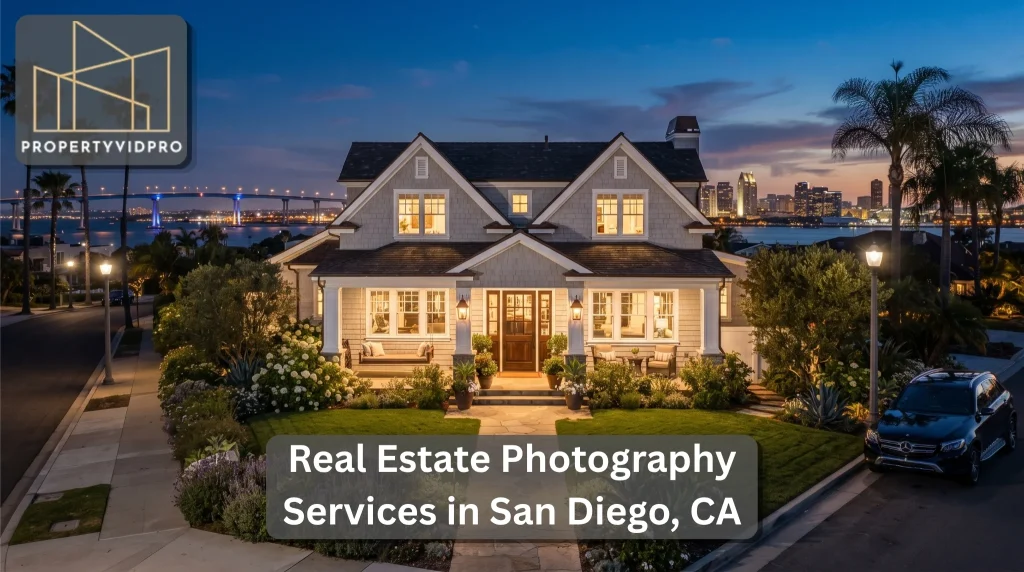
Selling a home is selling a feeling, and residential real estate photography is what creates it. Before a buyer ever stands in a San Diego living room, they have already decided whether they like the place based on a gallery viewed on their phone. Photos that feel bright, warm, and inviting earn the showing. Photos that feel dark, cramped, or distorted send buyers to the next listing, even when the home itself is wonderful. Getting residential photography right is one of the highest-return decisions a seller or agent makes.
This guide focuses specifically on residential work: what it involves, how different San Diego home types should be shot, what actually makes residential photos sell, and how to prepare a home so it looks its best on shoot day.
What is residential real estate photography?
Residential real estate photography is the photography of homes, single-family houses, condos, townhomes, and luxury properties, for the purpose of marketing them to buyers. It centers on lifestyle and emotion. The job is to help a buyer imagine living in the space, so the images emphasize natural light, comfortable flow, and the features that create desire, like an open kitchen, a serene primary suite, or a backyard built for entertaining.
That emotional focus is what sets residential work apart from commercial photography, which leans toward function, scale, and investment appeal. A home is bought with the heart as much as the calculator, and residential photography is built to speak to that. The result is a gallery that does not just show rooms but tells the story of a life that could be lived there.
Why residential photography is its own craft
It is tempting to assume any competent photographer can shoot a house, but residential work has its own demands. Homes are full of mixed lighting, daylight through windows fighting warm indoor bulbs, and tight spaces that distort easily through a wide lens. A residential specialist knows how to balance those light sources so a room looks natural, and how to frame a small bedroom so it feels open rather than boxed in.
There is also a pacing and sensitivity to residential shoots that commercial work does not require. The photographer is often working in someone’s lived-in home, capturing personal spaces in a way that flatters them while staying honest about the property. The craft is part technical, part interpersonal, and entirely focused on making a home feel like somewhere a buyer wants to be.
San Diego home types and how each should be photographed
San Diego’s housing is diverse, and each type rewards a different approach. A photographer who understands these differences captures what makes each home desirable.
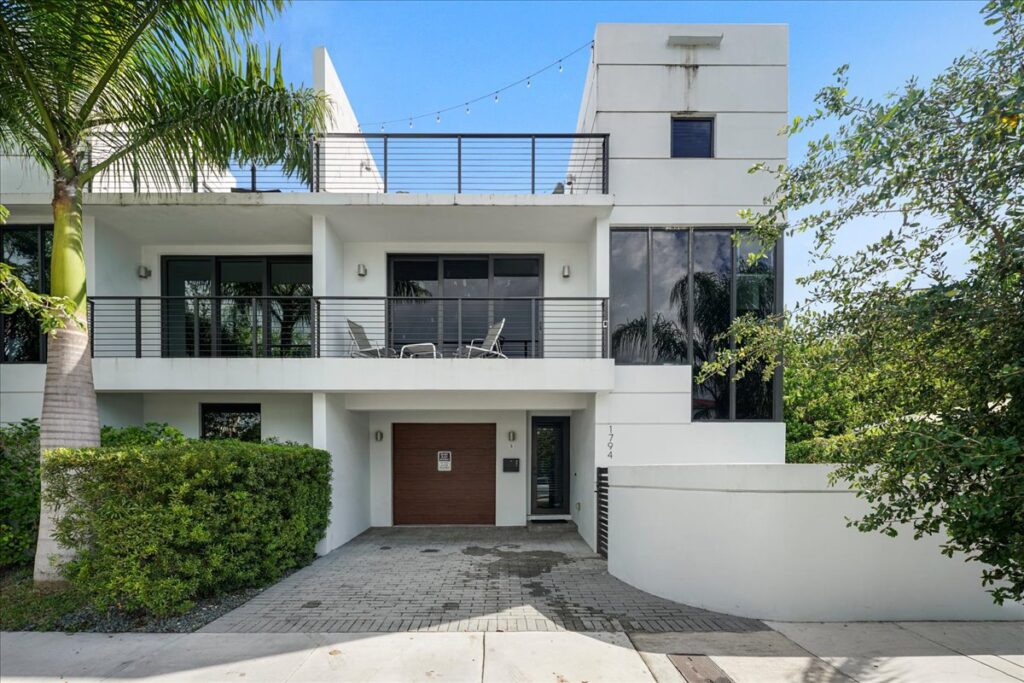
- Single-family homes. The bread and butter of residential photography. The emphasis is on flow, family-friendly spaces, the kitchen, the yard, and natural light moving through the home. Suburban areas like Rancho Bernardo call for warmth and a sense of comfortable space.
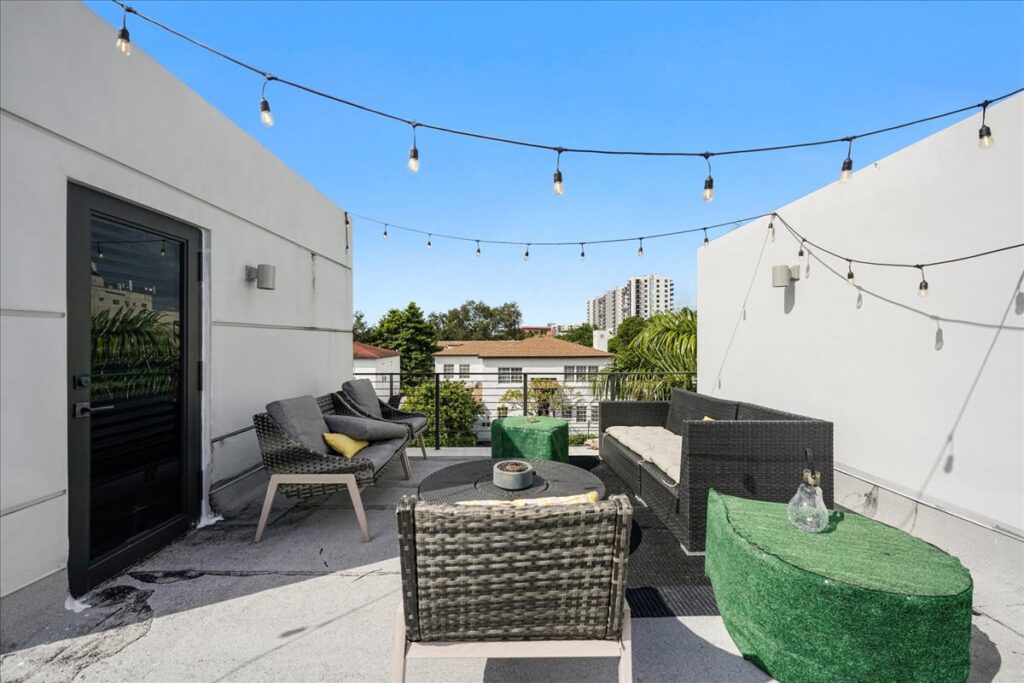
- Condos and townhomes. Often smaller, so the challenge is making compact spaces feel open and bright. Careful framing, clean lines, and strong light control prevent rooms from reading as cramped. Proximity to amenities and views becomes part of the pitch.
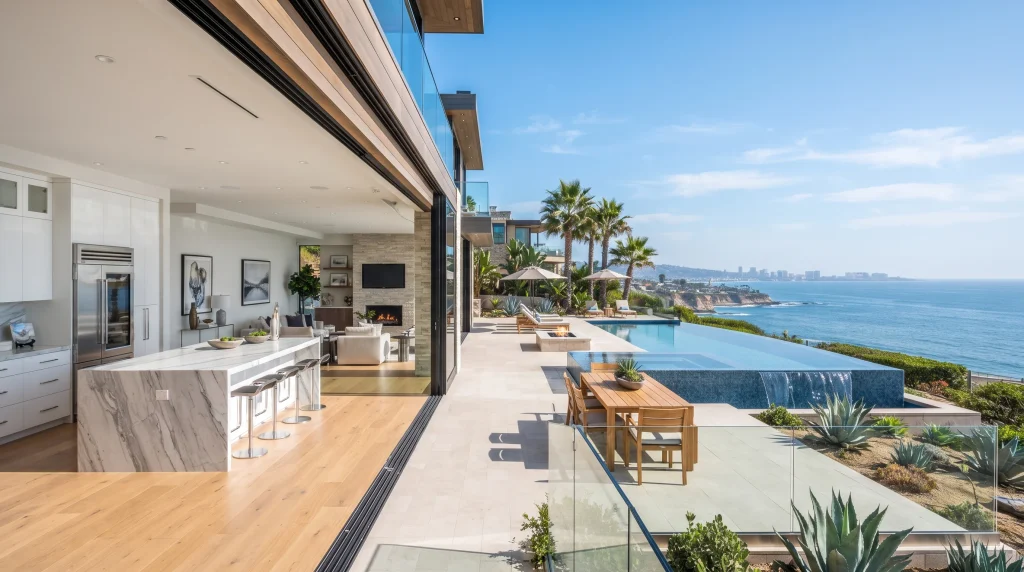
- Luxury and coastal homes. Properties in areas like La Jolla trade on light, views, and architectural drama. Here the photography has to capture the Pacific blue through the glass, the indoor-outdoor living, and the high-end finishes, without letting bright coastal sun blow out the windows.
- Urban homes and lofts. A Gaslamp loft sells energy and location. The imagery leans into city views, modern design, and the lifestyle of living in the heart of downtown.
Matching the visual approach to the home type is part of what separates a thoughtful residential shoot from a one-size-fits-all one.
What makes residential photos actually sell a home
The photos that move homes share a few qualities, and none of them happen by accident.
The first is light. Bright, balanced interiors feel welcoming, while dark rooms feel small and uninviting. A professional flambient technique, blending flash with the home’s ambient light, keeps interiors bright and airy while preserving the view through the windows rather than letting it wash out to white. For a San Diego home with an ocean or skyline view, that balance is the difference between a photo that sells the view and one that hides it.
The second is accurate space. Buyers trust photos that represent a room’s true shape and size. Avoiding fish-eye distortion and keeping architectural lines straight means a living room looks like itself, not a warped wide-angle exaggeration that disappoints at the showing.
The third is hero shots. Every home has standout features, a massive kitchen island, a spa-like bath, a view deck, and leading with those creates an immediate emotional connection. A strong gallery is sequenced to hook a buyer in the first few frames and carry them through the home.
The fourth is finish. Modern, high-resolution capture, up to 8K, paired with clean, vibrant editing produces images that look polished and current on any screen. Quality at this level signals a property that has been cared for.
How to prepare your home for a real estate photo shoot
The photographer controls the camera, but the seller controls the home, and preparation has an outsized effect on the final images. A clean, decluttered, well-prepared home photographs dramatically better. Use this checklist before shoot day.
- Declutter every surface. Clear countertops, nightstands, and tables. Open, empty surfaces read as spacious; cluttered ones read as small and busy.
- Depersonalize lightly. Stow family photos, fridge magnets, and personal items so buyers picture themselves in the space rather than the current owner.
- Deep clean. Floors, windows, mirrors, and fixtures should shine. The camera catches smudges and dust the eye glosses over.
- Maximize light. Open all blinds and curtains, turn on every light, and replace any dead bulbs so rooms look bright and consistent.
- Tidy the exterior. Mow the lawn, sweep walkways, clear the driveway of cars, and put away trash bins and hoses. The exterior is the first photo buyers see.
- Stage the small touches. Fresh towels, a styled coffee table, a bowl of fruit, and made beds add warmth without looking cluttered.
- Hide the everyday. Pet bowls, cords, toiletries, and trash cans should be out of frame.
When a home is shoot-ready, the photographer can spend time on craft rather than working around clutter, and the difference shows in every image. For vacant homes, virtual staging can furnish empty rooms digitally so they feel lived-in without the cost of physical furniture.
The residential media package
Modern residential listings rarely stop at stills. A complete package gives buyers every way to experience the home before they visit.
- Photography. The foundation: bright, accurate, well-composed interior and exterior stills.
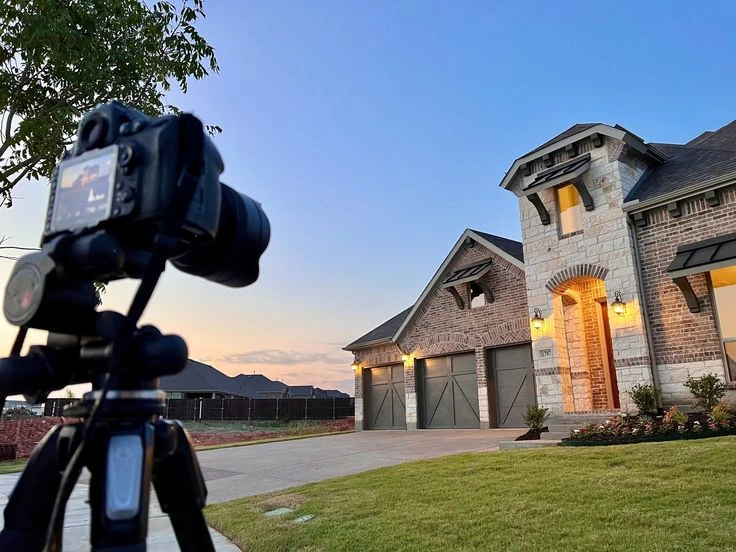
- Twilight shots. Dusk exteriors with warm interior lights and a colorful sky create some of the most striking, scroll-stopping images in any listing.
- Property video. A property video adds motion and flow, showing how a home connects room to room, and performs well on social media.
- Virtual staging. Virtual staging warms up vacant rooms and helps buyers picture the space furnished.
- Floor plans. Accurate floor plans give buyers the layout and flow that photos alone cannot convey.
- Virtual tours. A virtual tour lets out-of-area buyers walk the home at their own pace, any time of day.
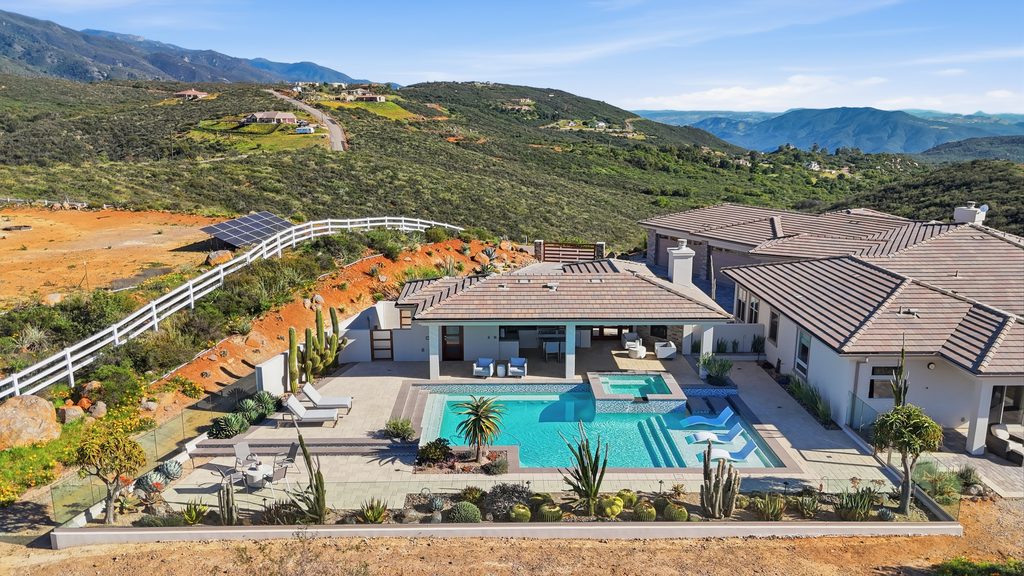
- Drone aerials. For homes where setting matters, drone services show the lot, the neighborhood, and proximity to the coast or parks.
Booking these together from one provider keeps the look consistent across the entire listing.
When to schedule your home photo shoot
Timing affects residential photos more than most sellers expect, because light is the raw material of a good image. The best interior light usually comes mid-morning to early afternoon, when daylight is bright and even, filling rooms without the harsh, low-angle glare of early morning or late evening. A photographer who shoots a home at the right hour captures naturally bright spaces with far less correction.
Exteriors follow their own clock. A front-facing home photographs best when the sun is on the facade rather than behind it, so the time of day depends on which way the house faces. Twilight exteriors, captured in the short window after sunset, are a category of their own: warm interior lights, a glowing sky, and a striking mood that consistently ranks among the most clicked images in a listing.
Weather matters too. San Diego’s reliable sunshine is an advantage, but overcast days flatten exteriors and dull the coastal blue, so scheduling around clear conditions protects the quality of the shoot. A professional plans the timing around all of this rather than leaving it to chance.
Why hire a residential real estate photography specialist
A home is one of the largest financial transactions most people make, and the marketing deserves a specialist rather than a generalist with a nice camera. A residential real estate photographer brings trained light control, distortion-free framing, an eye for the features that sell, and the editing skill to finish images cleanly. They also bring reliability, a professional operation delivers on a clear schedule, carries insurance, and uses certified pilots for any aerial work.
The gap between a professional residential shoot and an amateur one is visible in seconds, and buyers feel it even if they cannot name it. On a competitive San Diego listing, that gap can mean the difference between a quick sale at a strong price and a listing that lingers.
How PropertyVidPro shoots San Diego homes
PropertyVidPro approaches residential work across San Diego with the city’s lifestyle homes in mind, from the coastal light of La Jolla to the suburban comfort of Rancho Bernardo and the urban energy of Gaslamp. The team uses a professional flambient technique to keep interiors bright and airy while holding the Pacific blue or the skyline sharp through the windows, and avoids fish-eye distortion so rooms read at their true scale. Homes are captured on 8K sensors with AI-assisted editing for a modern, vibrant finish, and the operation is fully insured with FAA-certified drone pilots.
Just as important, edited files arrive within 48 hours, and the full residential media suite, photography, property video, virtual staging, floor plans, virtual tours, and drone, comes from one source, so a listing’s visuals stay consistent throughout. You can see the complete scope on the real estate photography services in San Diego page.
Frequently asked questions
What is residential real estate photography?
It is the photography of homes, single-family houses, condos, townhomes, and luxury properties, for marketing them to buyers. It focuses on lifestyle and emotion, using light, flow, and hero shots to help buyers imagine living in the space.
How is residential real estate photography different from commercial?
Residential work emphasizes emotion and lifestyle to help buyers picture living in a home. Commercial photography focuses on function, scale, and investment appeal for office, retail, and multifamily properties. The technical skills overlap, but the storytelling and priorities differ.
How do I prepare my home for a real estate photo shoot?
Declutter surfaces, depersonalize, deep clean, open all blinds and turn on lights, tidy the exterior and clear the driveway, and add small staging touches like fresh towels and made beds. A shoot-ready home photographs far better.
What media should a residential listing include?
Most strong listings include professional photos plus some combination of twilight shots, video, virtual staging, floor plans, a virtual tour, and drone aerials. Booking them together keeps the visual style consistent and reaches both local and remote buyers.
Why hire a specialist residential photographer instead of a generalist?
A residential specialist brings trained light control, distortion-free framing, an eye for selling features, and clean editing, along with a reliable, insured operation. The quality difference is visible immediately and can directly affect how fast a home sells and for how much.
How fast will I get my residential listing photos?
A reliable provider delivers edited files within about 48 hours, so the listing can launch quickly, with larger packages including video and drone sometimes at the upper end of that window.
Ready to photograph your San Diego home?
If you are listing a home and want residential photography that captures its light, space, and lifestyle, explore real estate photography services in San Diego California, USA or call PropertyVidPro at (909) 282-8546. Book a free consultation, and give your listing the images it deserves.