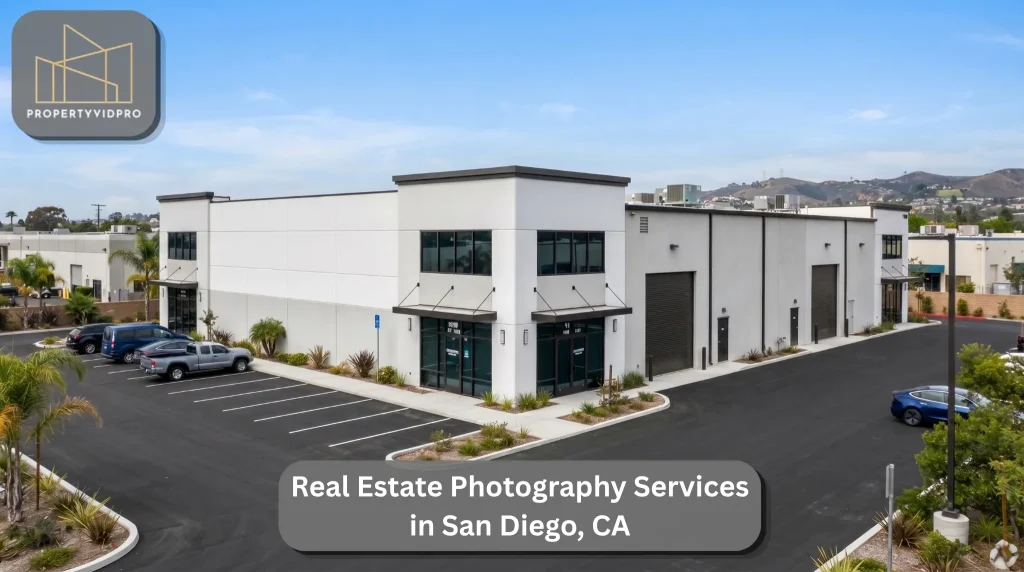
Commercial real estate photography sells buildings to people who buy them with a calculator, not their heart. Where a home listing chases emotion, a commercial shoot has to speak to brokers, investors, and prospective tenants who judge a property on function, location, and return. The photographs anchor offering memoranda, broker packages, and listings on platforms like CoStar and LoopNet, and they often reach a national or global pool of decision-makers who will never set foot on the site until the numbers make sense. In San Diego’s layered commercial market, strong imagery is what gets an office tower, a retail center, or an industrial building taken seriously.
This guide covers what commercial real estate photography involves, how it differs from residential work, how each type of commercial property should be shot, the media a deal needs, and how to hire the right photographer.
What is commercial real estate photography?
Commercial real estate photography is the professional imaging of income-producing and business-use properties, offices, retail centers, industrial buildings, hotels, and mixed-use developments for the purpose of marketing them to buyers and tenants. It is a distinct discipline from residential photography because the subject and the audience are different. The buildings are larger and more complex, and the viewers are professionals evaluating an asset rather than families picturing a home.
The imagery serves a commercial pipeline. Photos appear in investment brochures, leasing flyers, brokerage websites, and the major commercial listing platforms, supporting decisions worth millions of dollars. That raises the bar on technical quality and on the photographer’s understanding of what a commercial audience needs to see: scale, layout, condition, location, and the qualities that make a property a sound business proposition.
How commercial photography differs from residential
The gap between the two is wider than most people assume, and it shapes everything from the gear to the schedule.
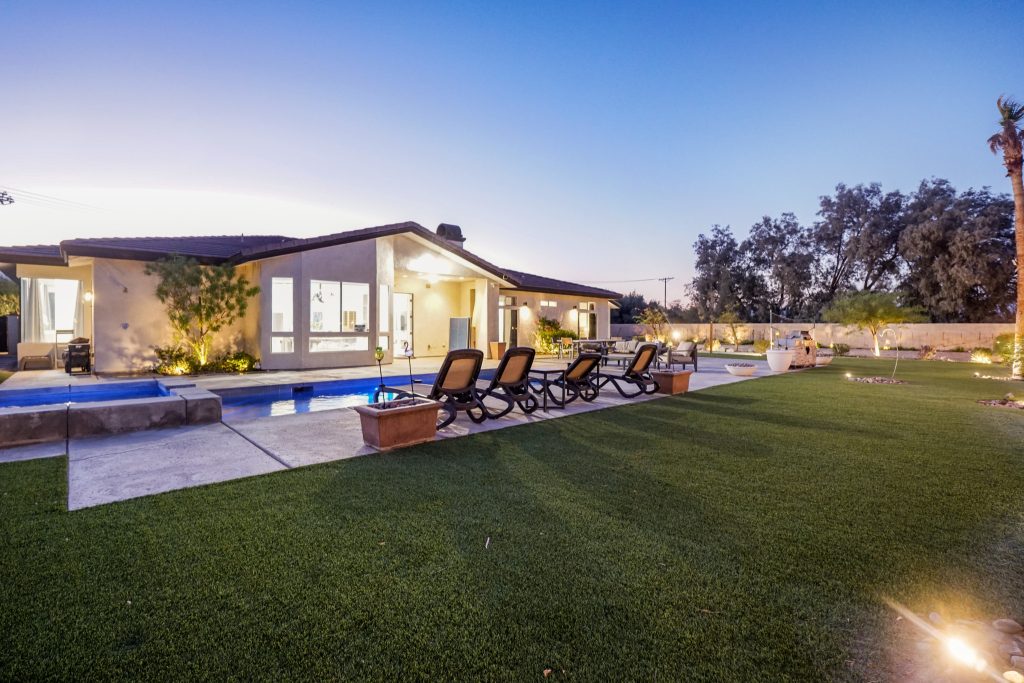
Residential photography trades on lifestyle and feeling. Commercial photography trades on information and credibility. An investor wants to understand a building’s floor plate, its ceiling heights, its access, its visibility, and its position in the market, and the images have to communicate those clearly and professionally. Architectural precision matters more here than mood: straight verticals, corrected perspective, and honest representation of scale are essential because a distorted commercial photo undermines trust with a sophisticated buyer.
The logistics differ too. Commercial shoots often happen around operating businesses, tenants working, customers shopping, and machinery running, which demands discretion, careful scheduling, and the professionalism to work without disrupting the property. And the deliverables reach a wider, more analytical audience across national platforms, so consistency and clarity outweigh the emotional hooks that sell a home. A photographer comfortable with residential listings is not automatically ready for a commercial assignment; the crossover skills help, but the priorities shift.
Commercial property types and how each is photographed
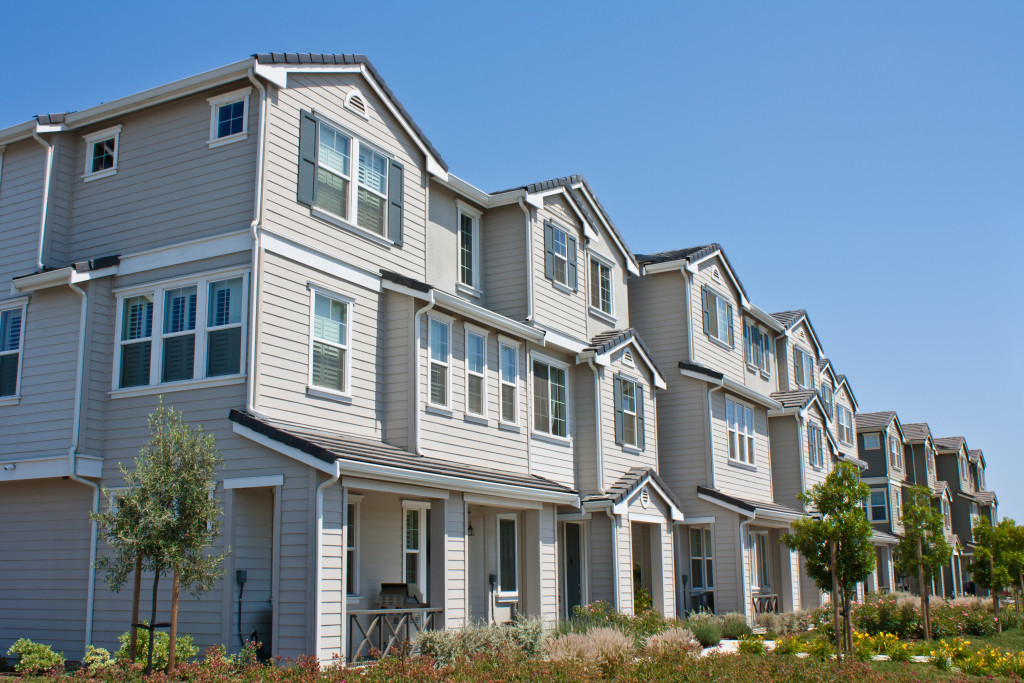
“Commercial” spans several property classes, and each is shot to highlight what its particular audience values.
- Office buildings. The emphasis is on the lobby and common areas, the quality of the workspace, the amenities, the natural light, and the views. Photography should convey a professional, move-in-ready environment for prospective corporate tenants and capture the building’s exterior and entrance as a statement of prestige.
- Retail and shopping centers. Here visibility and traffic are the story. Shots highlight storefronts, signage, parking, foot-traffic context, and the anchor tenants that draw shoppers. Aerials showing the center’s position on a busy corridor are especially valuable.
- Industrial and warehouse. Function is everything. Photography documents clear-height ceilings, loading docks, truck access, column spacing, and yard space, the practical features a logistics or manufacturing tenant scrutinizes. Clean, well-lit interiors that show the usable volume of the space matter more than styling.
- Hospitality, hotels, and restaurants. These lean closer to experience. Photography captures ambiance, guest spaces, food and beverage areas, and the atmosphere that defines the property, often with twilight exteriors that make the venue glow.
- Mixed-use and flex space. These blend uses, and the photography has to show how residential, retail, and office elements coexist, telling the story of a live-work-play environment.
Understanding which features matter to which audience is the core of commercial work, and it is what separates a photographer who documents a building from one who markets it.
The media a commercial listing need
A commercial deal usually calls for more than stills. A complete visual package gives brokers and investors every angle they need to evaluate an asset remotely.
- Architectural photography. Precisely composed interior and exterior stills with corrected lines and balanced light, the foundation of any commercial listing.
- Aerial and drone. For commercial property, location and site context are central, and drone services with 8K aerials show the parcel, the access routes, the parking, and the surrounding submarket in ways a ground camera cannot. Aerials are often the most important images in an industrial or retail package.
- Video. A property video walks a remote investor or tenant through the asset, conveying scale and flow that still flatten.
- Virtual tours. For leasing space to tenants who may be out of market, a virtual tour lets them inspect a suite or floor at any hour without traveling, a genuine accelerant to commercial leasing.
- Floor plans. Commercial floor plans communicate the layout, floor plate, and space planning that tenants and investors need to assess fit.
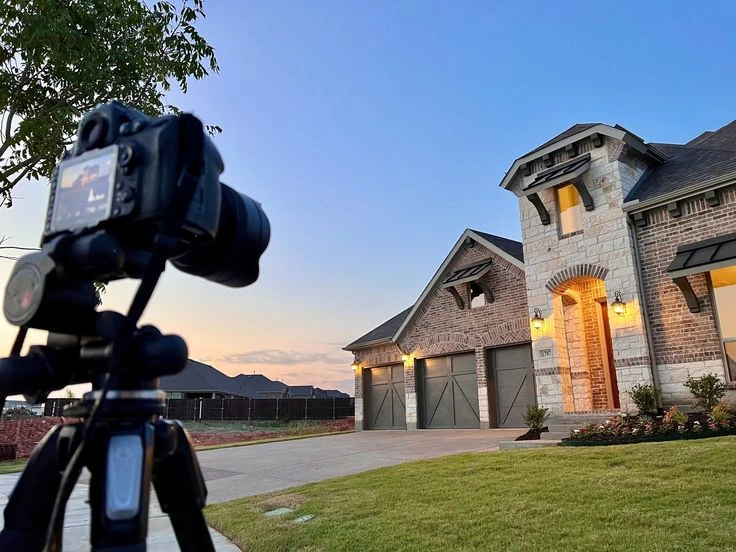
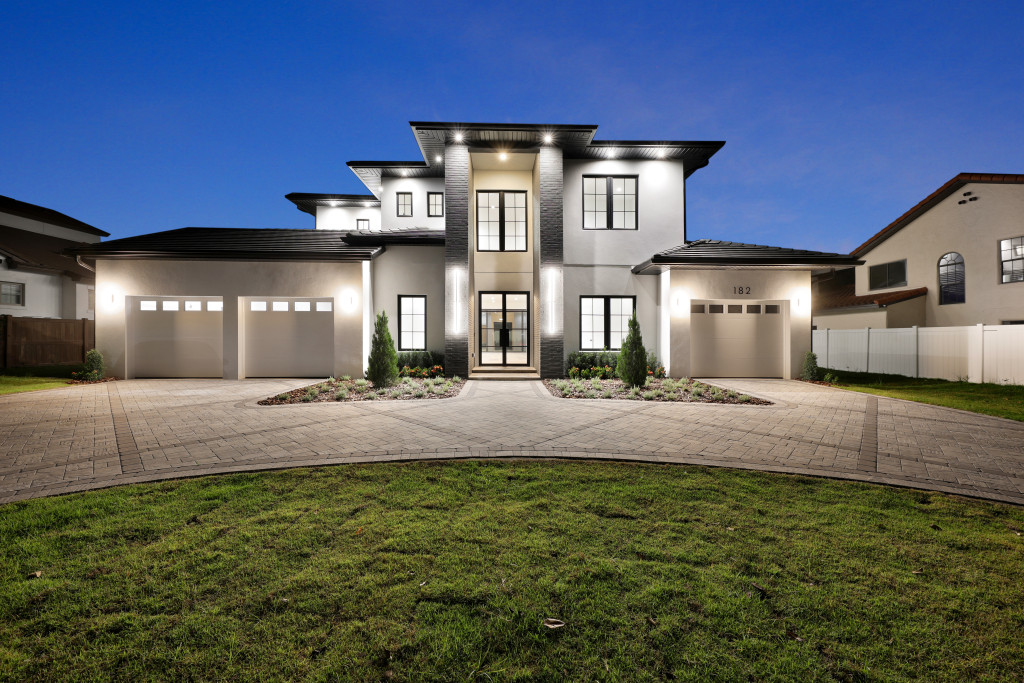
- Twilight photography. Dusk exteriors turn an office tower or hospitality venue into a hero image that commands attention in a brochure or listing.
Booking these together keeps the asset’s marketing consistent and complete across every platform where it appears.
San Diego’s commercial submarkets
San Diego is not a single commercial market but a cluster of distinct submarkets, and familiarity with them shapes how a property is best presented. The region’s life sciences and biotech corridor around Torrey Pines, Sorrento Valley, and University City drives demand for specialized lab and office space, where photography needs to convey both technical capability and a premium environment. Downtown and the Gaslamp anchor the urban office and hospitality scene, where skyline context and street presence matter. The tourism economy fills the county with hotels, restaurants, and entertainment venues that live or die by atmosphere. And industrial demand concentrates near Otay Mesa and the border and around Miramar, where functionality and logistics access lead the pitch.
A photographer who understands these submarkets frames a property for the audience most likely to transact on it, positioning a Sorrento Valley lab building differently than a Gaslamp retail space or an Otay Mesa distribution center. That local fluency is part of the value a commercial specialist brings.
Preparing a commercial property for a shoot
Commercial shoots require more coordination than a home because the property is often alive with tenants, staff, and customers. A little planning protects the result and avoids disruption.
- Schedule around operations. Decide whether the shoot happens during business hours, showing a space in use, or before opening for clean, empty interiors. Each serves a different marketing goal, and the choice should be deliberate.
- Coordinate with tenants in advance. In multi-tenant buildings, give occupants notice and arrange access to the spaces being photographed, especially common areas, lobbies, and any vacant suites.
- Clear operational clutter. Signage stands, delivery boxes, waste bins, cables, and portable equipment read poorly in commercial frames. Stage the visible areas to look orderly and professional.
- Check lighting and fixtures. Ensure all lights work and are on and that common areas, restrooms, and lobbies are clean and presentable.
- Tidy the exterior and grounds. Parking areas, landscaping, and entrances form the first impression for an investor or tenant, so sweep, clear, and straighten before the shoot.
- Assign a point of contact. Someone who can unlock suites, manage access, and answer questions keeps a large commercial shoot moving efficiently.
A property prepared this way lets the photographer focus on presenting the asset at its best rather than working around avoidable distractions.
Why professional commercial photography moves deals
The stakes in commercial real estate make professional imagery a straightforward investment. Transactions are large, marketing budgets are meaningful, and the audience is discerning, so amateur photos do real damage, signaling a poorly managed asset and eroding confidence before the financials are even reviewed. Sharp, professional imagery does the opposite: it establishes credibility, presents the asset at its best, and helps a property compete for attention among the many listings a broker or investor scans.
Well-executed media also accelerates the timeline. A commercial property marketed with clear architectural photography, aerials, and a virtual tour can be evaluated remotely by a wider pool of qualified buyers and tenants, which shortens the path to a signed lease or a closed sale. For brokers, a consistent, high-end visual standard across listings builds a personal brand that wins more assignments. The photography is not a cost center; it is leverage on a high-value transaction.
How to choose a commercial real estate photographer
Not every real estate photographer is equipped for commercial work. When hiring, look for:
- Architectural precision. The ability to keep lines straight, correct perspective, and represent large spaces accurately. Ask to see corrected, distortion-free commercial work.
- A relevant portfolio. Experience with your property class, office, retail, industrial, or hospitality since each has its own demands.
- Drone capability. Site and context aerials are essential for most commercial assets, which requires FAA-certified, insured pilots.
- Discretion and professionalism. Commercial shoots often occur around operating businesses and tenants, so the photographer must work cleanly and unobtrusively.
- Full media capability. Photography, aerials, video, virtual tours, and floor plans from one provider keep a listing consistent across every platform.
- Reliable turnaround. Commercial marketing runs on deadlines; a dependable delivery window keeps a launch on track.
The right commercial real estate photographer understands that they are marketing an investment and brings both the technical craft and the professional judgment that high-value assets require.
How PropertyVidPro approaches commercial work in San Diego
PropertyVidPro brings the same technical foundation to commercial assignments that defines its listing work, and the pillar of that is architectural accuracy: clean lines, corrected perspective, and true-to-life color that represent a space honestly rather than warping it through a wide lens. The team adapts across property types, from modern lofts to large commercial sites, capturing the specific features that make a given asset compelling to its audience. Shots are captured on 8K sensors with AI-assisted editing for a modern, polished finish, and the operation is fully insured with FAA-certified drone pilots for the site and context aerials commercial listings rely on.
The practical commitments hold across commercial work too. Edited files arrive within 48 hours, and the complete media range, architectural photography, drone services, property video, virtual tours, and floor plans, lets an asset be marketed consistently across brokerage sites and commercial platforms. You can see the full scope and discuss a commercial project on the real estate photography services in San Diego, CA page.
Frequently asked questions
What is commercial real estate photography?
It is the professional imaging of business-use and income-producing properties, offices, retail, industrial, hospitality, and mixed-use for marketing to investors and tenants. Unlike residential work, it emphasizes function, scale, location, and credibility for a professional audience.
How is commercial real estate photography different from residential?
Residential photography sells lifestyle and emotion; commercial photography sells function and return to brokers, investors, and tenants. Commercial work demands greater architectural precision, discretion around operating businesses, and imagery suited to national listing platforms and investment documents.
How is each type of commercial property photographed?
Offices emphasize lobbies, workspace, and amenities; retail highlights storefronts, signage, and traffic; industrial documents clear heights, loading docks, and access; hospitality captures ambiance and guest spaces. Each is shot to show what its particular buyer or tenant values most.
What media does a commercial listing need?
Typically architectural stills, drone aerials for site and context, video, a virtual tour for remote leasing, floor plans, and often twilight hero shots. Together these let investors and tenants evaluate an asset remotely across platforms.
Why does professional commercial photography matter?
Commercial transactions are large, and the audience is sophisticated, so amateur photos erode credibility, while professional imagery establishes trust, presents the asset at its best, and accelerates leasing and sales by reaching a wider pool of qualified decision-makers.
How do I choose a commercial real estate photographer?
Look for architectural precision, a portfolio in your property class, FAA-certified drone capability, discretion around operating tenants, full media services, and reliable turnaround. Commercial work requires both technical skill and professional judgment.
Ready to market your San Diego commercial property?
If you have an office, retail, industrial, or hospitality asset to bring to market, professional real estate photography services in San Diego, CA, can present it with the precision and credibility a commercial deal demands. Call PropertyVidPro at (909) 282-8546 to discuss your project and book a free consultation.