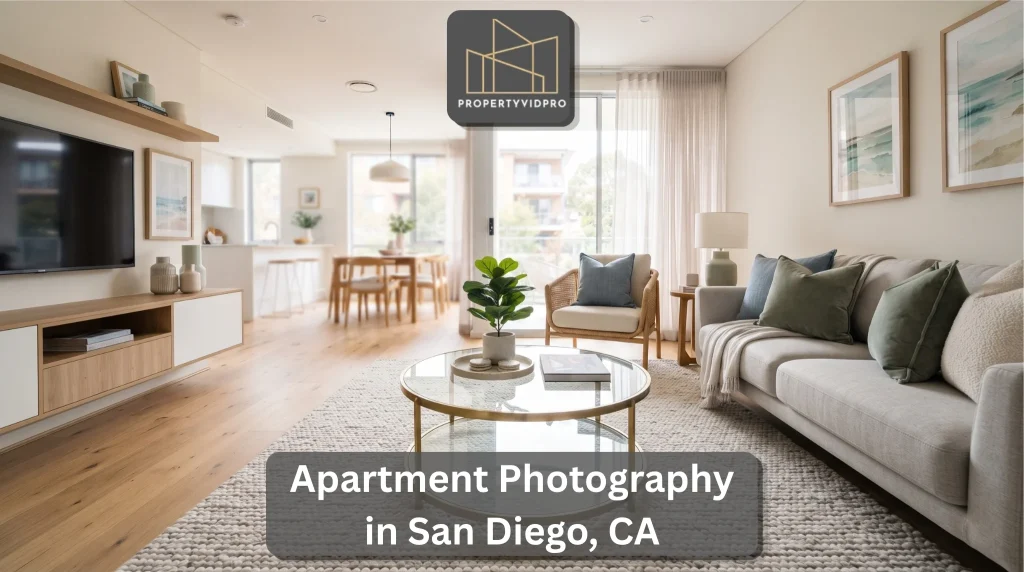
Apartment photography has one job: fill vacancies. In a multifamily real estate market as competitive as San Diego’s, renters compare communities side by side on the same listing sites, and the apartment with brighter, sharper, more spacious-looking photos gets the tour. The unit with dim, cramped, or amateur images gets skipped, even if it is the better home. For property managers and owners, professional apartment photography is one of the most direct levers on occupancy there is.
This guide is practical and apartment-specific: the difference between complex-level and unit-level photography, the real craft of making small units look spacious, the types of apartment shoots, what rental platforms need, and how to choose an apartment photographer in San Diego.
What is apartment photography?
Apartment photography is the professional imaging of rental units and apartment complexes for leasing and marketing. It is a focused branch of multifamily real estate photography, and it works on two levels at once: the individual apartment, where a renter pictures their own home, and the broader complex, where they judge the community they would be joining. Done well, it documents unit interiors with accuracy while making every space look bright, clean, and inviting to a prospective tenant.
The audience is the key to the approach. Apartment photography serves property managers and owners who need to keep units leased, so the images are built to convert browsers into tour requests and applications. That means clarity about layout and flow, honest representation of the space, and the kind of polished, professional finish that signals a well-run community.
Apartment complex photography vs individual unit photography
A complete apartment marketing library works at two scales, and understanding the difference helps you brief a photographer.
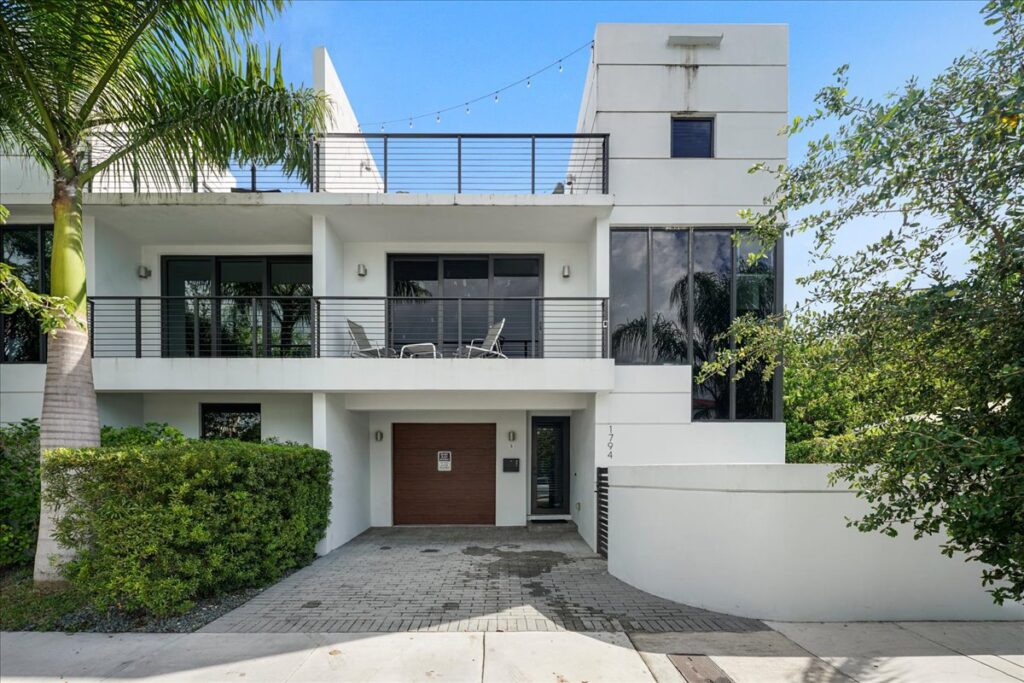
Apartment complex photography captures the property as a whole: the building exteriors, the entrances, the shared amenities, and the grounds. This is the imagery that sells the community lifestyle and first impression, and it overlaps with broader multifamily photography of large-scale properties. It answers the renter’s question of what it is like to live here.
Individual unit photography zooms in on the apartments themselves: the living areas, kitchens, bedrooms, and bathrooms a renter would actually occupy. This is where layout, finishes, natural light, and spatial efficiency take center stage, and where the technical craft of shooting small interiors matters most. It answers the renter’s other question: is this the right home for me?
Strong leasing marketing needs both. The complex shots draw prospects to the community, and the unit shots convert them into applicants once they are interested.
The real challenge: making compact units feel spacious
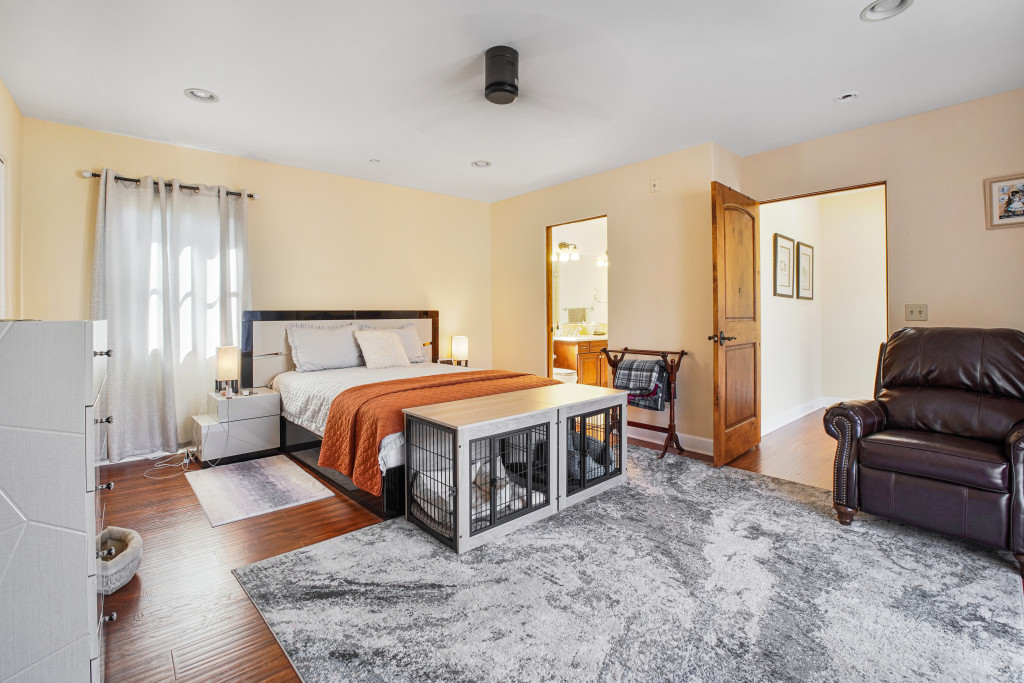
Here is what separates a skilled apartment photographer from someone with a good camera. Apartments are often small, tightly laid out, and lit by a mix of window light and indoor fixtures, exactly the conditions that trip up amateur photos. The craft lies in making a compact unit feel open and bright without distorting it.
Several techniques do the heavy lifting:
- Controlled lighting. Advanced lighting brightens interiors so rooms feel airy rather than dim, balancing daylight from windows against indoor bulbs so the space looks natural and evenly lit.
- Distortion-free framing. Wide shots are necessary in small rooms, but a careless wide lens warps the space into a fish-eye exaggeration. A professional keeps architectural lines straight so the unit reads at its true proportions.
- Smart angles. Shooting from the right height and corner makes a room feel larger and shows the flow between spaces, rather than boxing the viewer into a tight frame.
- Clean, decluttered spaces. Empty surfaces and tidy rooms read as spacious. For vacant units, virtual staging can add tasteful furniture so renters grasp the scale and feel of a furnished home.
The goal is always honest representation, a unit that looks its genuine best, so the in-person tour confirms the photos rather than disappointing against them.
Types of apartment shoots
Not every apartment shoot is the same, and the right approach depends on the unit’s status and purpose.
- Vacant unit photography. Empty apartments shot to show the bare layout, finishes, and light. Clean and straightforward, and a strong candidate for virtual staging to help renters picture a furnished space.
- Occupied unit photography. Shooting a currently rented apartment requires coordination with the resident and careful framing to present the space well while respecting the tenant’s belongings and privacy.
- Model unit photography. A professionally staged showcase apartment, often the centerpiece of a community’s marketing. Dedicated model unit and amenity photography presents the model home at its absolute best to set expectations for the whole property.
- Turnover photography. When a unit turns between tenants, fresh photos keep the listing current and accurate, especially if finishes or layouts vary across the community.
A photographer who understands these scenarios can plan the shoot efficiently and capture each unit type in the way that serves leasing best.
What rental listing platforms need
Apartment photos do not live in a vacuum; they live on rental platforms, and those platforms reward strong imagery. Prospective renters browse listing sites and apps where the lead photo determines whether they click at all, and the gallery determines whether they inquire. A bright, appealing first image lifts click-through, and a complete, high-quality set, covering the living space, kitchen, bedrooms, bath, and key amenities, keeps prospects engaged long enough to request a tour.
Consistency matters across the listing too. When every photo shares the same clean, professional look, the community reads as well-managed and trustworthy. Pairing the photos with an accurate floor plan gives renters the layout clarity that images alone cannot, which cuts down on unqualified inquiries and wasted tours. Adding a walkthrough or apartment video production gives motion-based content that performs well on listing sites and social media, where dynamic media increasingly drives engagement.
Apartment drone and exterior coverage
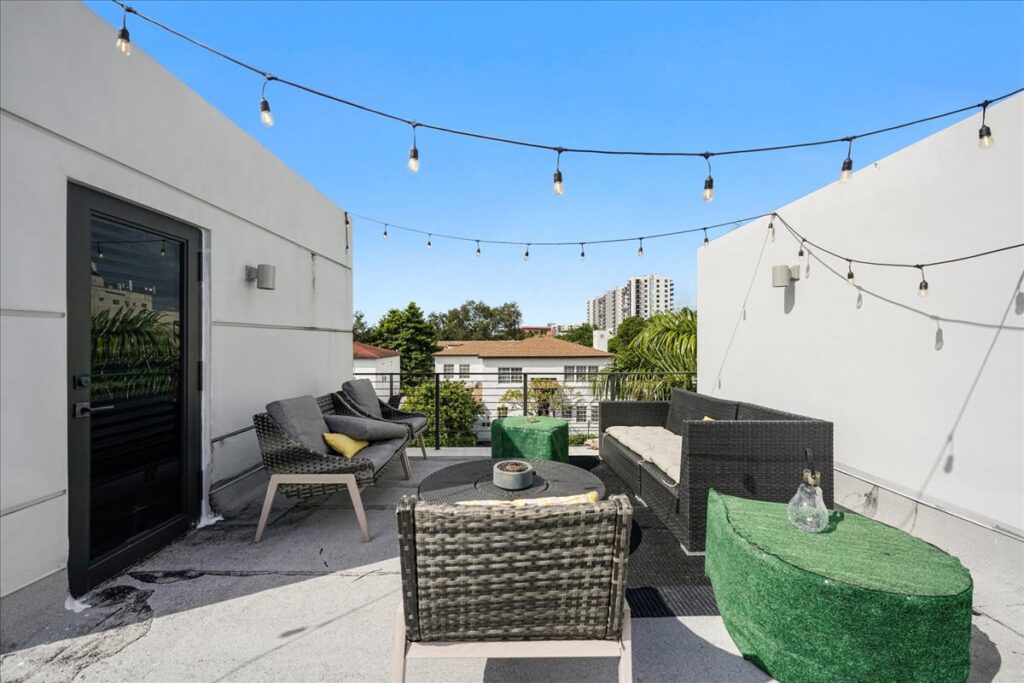
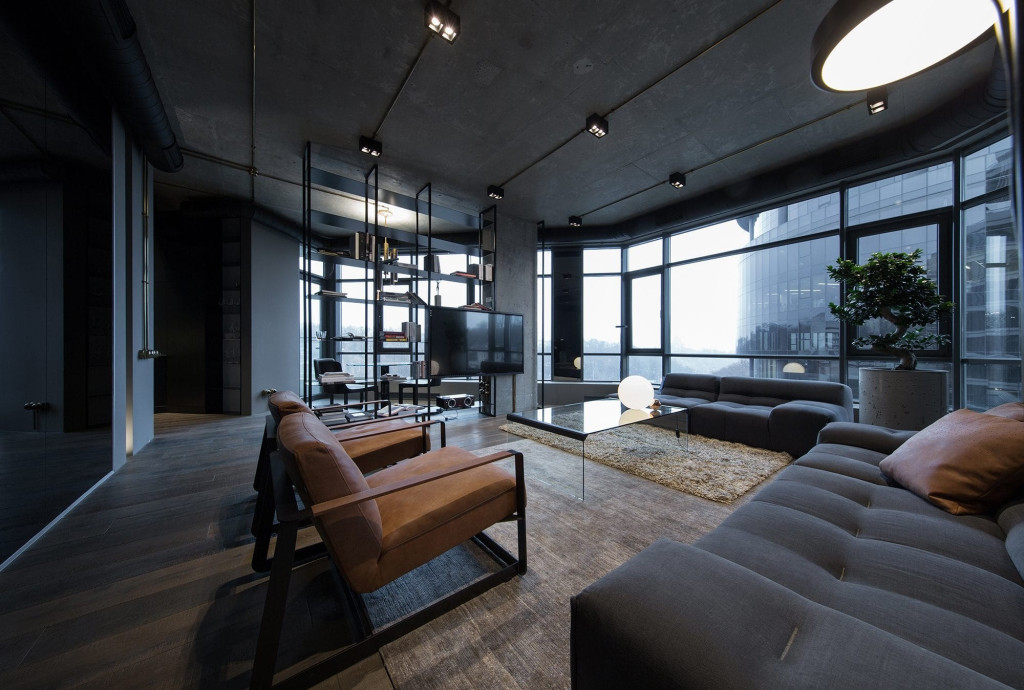
For apartment complexes, ground-level photos cannot capture the full property, and that is where aerial coverage comes in. Apartment drone photography captures courtyards, rooftop decks, clubhouses, pools, and exterior features from elevated angles, giving prospects a clear view of the community’s scale and layout. Aerials also show the property’s San Diego neighborhood context, proximity to the coast, transit, and local amenities, which is often a deciding factor for renters weighing location. A few strong aerial shots add prestige and completeness to a community’s marketing that ground photos alone cannot provide.
How to choose an apartment photographer in San Diego
When hiring an apartment photographer, a few things separate professionals from generalists:
- Genuine apartment and multifamily experience. Shooting compact rental units and large complexes is a specific skill. Look for a portfolio with real apartment work, not just single-family homes.
- Strong interior lighting technique. Ask how they brighten small, mixed-light interiors. This is the single biggest factor in whether units look appealing.
- Distortion control. Confirm they keep lines straight and avoid fish-eye warping in tight spaces.
- Efficiency at scale. A community with many units needs an organized, efficient production process that stays on schedule and on budget.
- Fast, reliable turnaround. Leasing timelines are tight; a dependable provider commits to a clear delivery window, with fast turnaround available for large-scale and new construction projects.
- Full media capability. Photography, drone, video, and floor plans under one roof keep the community’s visuals consistent and simplify vendor management, backed by a fully insured operation with FAA-certified pilots.
The right apartment photographer functions as a leasing partner, someone who understands occupancy goals and can deliver imagery that actually fills units.
Common apartment photography mistakes that cost leases
Even with a decent camera, a few recurring errors quietly suppress a community’s leasing performance. Knowing them helps you judge a photographer’s work and protect your listings.
- Dim, under-lit interiors. The most common failure. Dark rooms feel small and uninviting, and they are the fastest way to lose a scrolling renter. Bright, balanced lighting is non-negotiable.
- Fish-eye distortion. Over-wide lenses that bend walls and exaggerate space may look dramatic, but they read as dishonest and disappoint at the tour. True-to-life proportions build trust.
- Cluttered or messy spaces. Visible cords, trash, personal items, or maintenance gear make a unit look neglected. Clean, tidy framing is essential.
- Inconsistent quality across the gallery. A mix of sharp professional shots and blurry phone photos undermines the whole listing. Consistency signals a well-run community.
- Missing key spaces. Galleries that skip the kitchen, bathroom, or main amenities leave renters with questions, and questions cost tours. A complete set covers the full living experience.
- Using stock or mismatched images. Generic photos that do not show the actual property erode trust the moment a prospect notices. Real, accurate imagery of the unit and community always performs better.
Avoiding these is less about expensive gear and more about the skill and care a professional brings to every shoot.
Why professional apartment photography pays off
The return on professional apartment photography is measured in leasing speed. Sharp, inviting images create a strong first impression that lifts engagement on listing platforms, leading to more tour requests and faster lease-ups than standard photos. Every day a unit sits vacant is lost rent that cannot be recovered, so imagery that shortens time-to-lease pays for itself quickly, and keeps paying across every turnover.
There is an upside on rent and brand as well. Polished photography that conveys a clean, desirable community helps justify competitive rental rates and sets a property apart in a crowded San Diego marketplace. A community that looks professional online attracts higher-quality leads and reinforces the kind of brand that keeps occupancy stable over time.
How PropertyVidPro shoots San Diego apartments
PropertyVidPro works as a media partner for property managers and owners across San Diego, documenting apartment interiors with accuracy while keeping every space bright, clean, and appealing to prospective renters. The team uses advanced lighting to brighten interiors and keeps architectural lines straight so units read at their true proportions, the two technical fundamentals that make compact apartments look their best.
The operation is built for the pace leasing demands. Production is efficient and organized for properties of any size, turnaround is fast, with rapid delivery available for large-scale and new construction work, and the full media suite spans apartment and multifamily photography, apartment drone photography, video, floor plans, and more. The team is fully insured with FAA-certified drone pilots. You can see the full scope on the apartment photography in San Diego page.
Frequently asked questions
What is apartment photography?
Apartment photography is the professional imaging of rental units and apartment complexes for leasing and marketing. A branch of multifamily real estate photography, it works at two levels: individual units, where renters picture their home, and the broader complex, where they judge the community.
What is the difference between apartment complex and individual unit photography?
Complex photography captures the property as a whole, exteriors, amenities, and grounds, to sell the community lifestyle. Unit photography focuses on individual apartments, their layout, finishes, and light, to convert interested renters into applicants. Strong marketing uses both.
How do photographers make small apartments look spacious?
Through controlled lighting that brightens interiors, distortion-free framing that keeps lines straight, smart angles that show flow, and clean, decluttered spaces. Virtual staging can add furniture to vacant units so renters grasp the scale, always representing the unit honestly.
What types of apartment shoots are there?
Vacant unit shoots show the bare layout, occupied shoots require coordination with residents, model unit shoots showcase a staged centerpiece apartment, and turnover shoots refresh listings between tenants. Each calls for a slightly different approach.
How do I choose an apartment photographer in San Diego?
Look for genuine apartment and multifamily experience, strong interior lighting technique, distortion control, efficiency at scale, fast turnaround, and full media capability backed by insurance and FAA-certified pilots. The best photographers work as leasing partners.
Why does professional apartment photography matter for occupancy?
It creates a strong first impression that lifts engagement on rental platforms, driving more tours and faster lease-ups. It also supports competitive rents and a professional brand, while reducing the lost revenue of vacant units between leases.
Ready to fill your San Diego units faster?
If you manage apartments and want photography that brightens units and drives leases, explore apartment photography in San Diego CA or call PropertyVidPro at (909) 282-8546. Book a free consultation, and give your listings the images they need to lease faster.