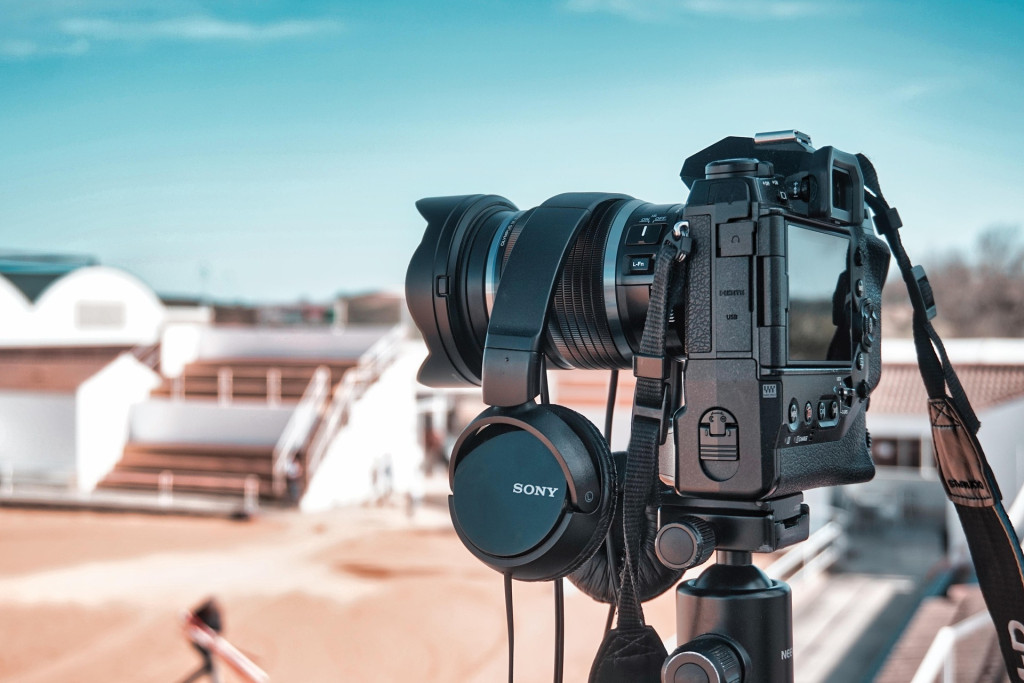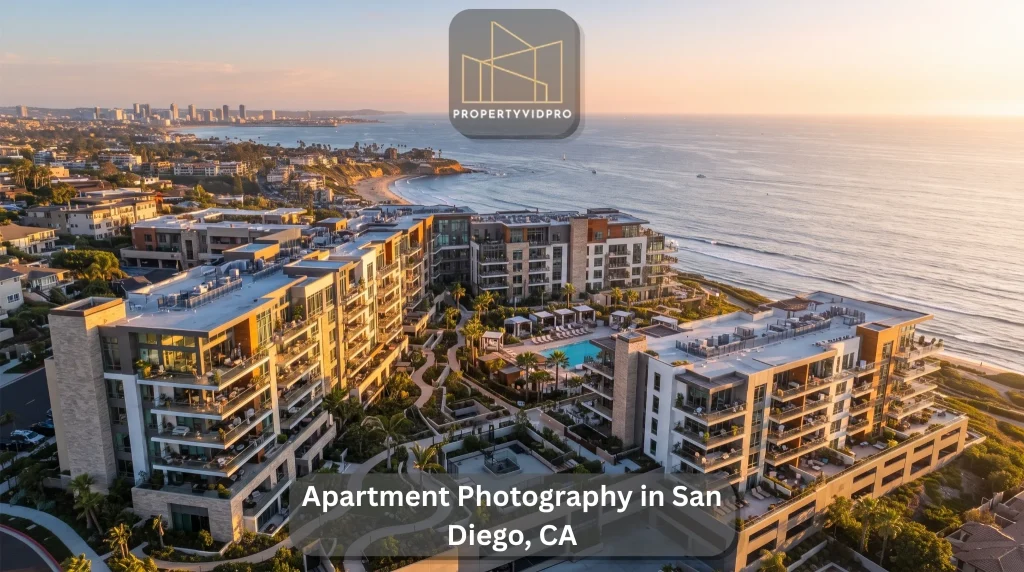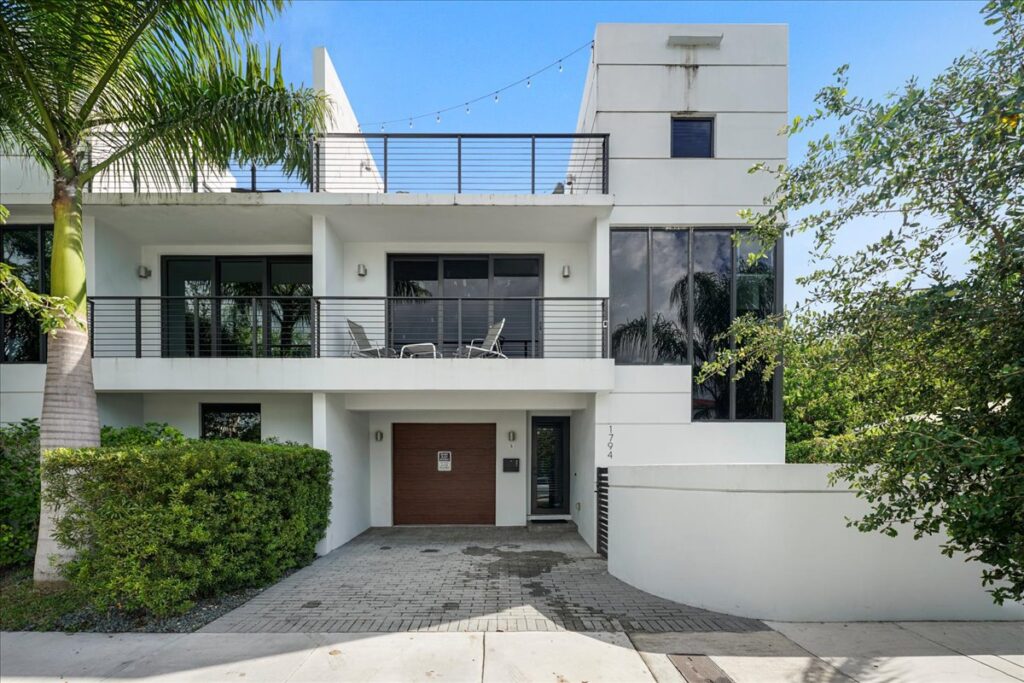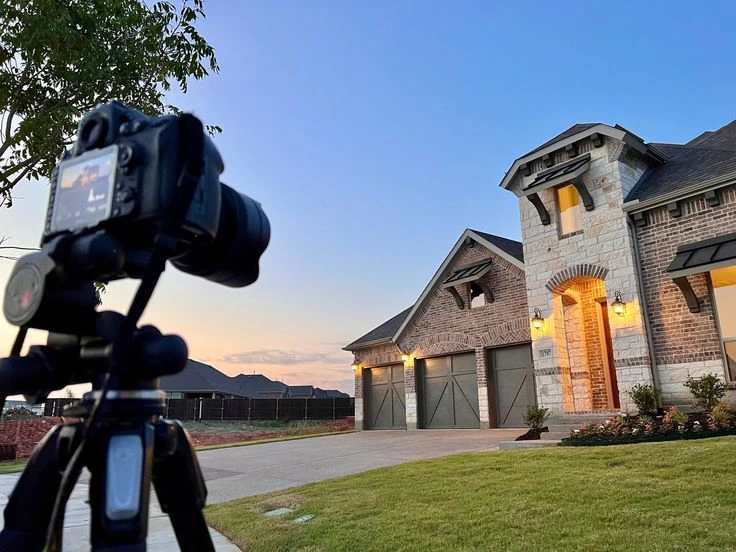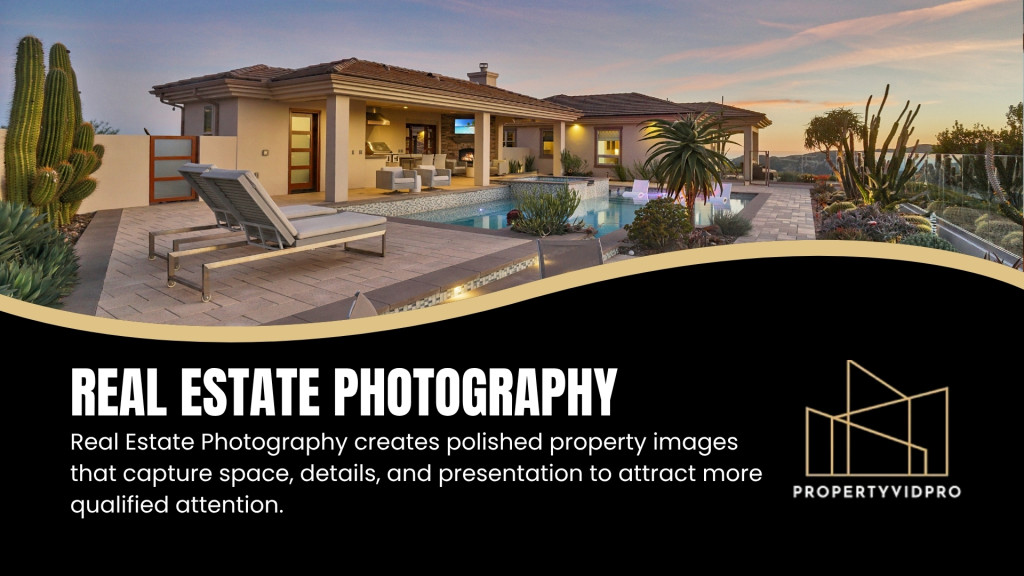
A high-quality real estate photo clearly and accurately presents a property’s space, features, and condition using good lighting, composition, exposure, and natural-looking editing. That means balanced lighting, appropriate composition, rooms that look the way they actually look, accurate colors, and a clean frame free of distracting elements. It also means the photo is sharp, properly exposed, and consistent with the rest of the images in the listing. None of this is about making a professional real estate photography in San Diego, CA look better than it is, it’s about presenting it clearly enough that a buyer can actually understand the space before ever walking through the door.
Why Does Photo Quality Matter in Real Estate Listings?
Photos Are a Major Part of the Online Listing
For most buyers, the listing photos are the primary way they experience a property before deciding whether it’s worth visiting in person.
Good Photos Help Buyers Understand the Space
Clear, well-composed photos help buyers gauge room layout, get an accurate sense of size, spot important features, and understand how different spaces connect to each other.
Consistent Photos Create a More Professional Listing
Inconsistent lighting, mismatched colors, or angles that jump from one style to the next can make an otherwise strong property feel less polished than it actually is.
10 Characteristics of a High-Quality Real Estate Photo
Balanced Lighting. A good photo balances natural light with interior lighting, avoiding rooms that look either too dark or unnaturally bright.
Correct Exposure. Useful detail should be visible in both brighter and darker areas of the frame, not blown-out windows next to a pitch-black corner.
Strong Composition. Camera position and framing should show useful space and avoid awkward or unnecessary areas of the room.
Straight Vertical Lines. Walls, doors, cabinets, and architectural lines should appear naturally aligned rather than visibly tilted or warped.

Accurate Colors. The image should represent the property realistically, without excessive color manipulation that shifts how a room actually looks.
Sharp and Clear Images. Proper focus and resolution matter a blurry photo undercuts even a well-composed shot.
Appropriate Camera Angles. Wide-angle photography can help show space, but extreme distortion that exaggerates a room’s size works against the photo’s purpose.
Clean and Uncluttered Presentation. A photographer can only do so much if the property itself hasn’t been prepared beforehand.
Important Features Are Clearly Shown. Kitchen upgrades, a fireplace, the primary bedroom, bathroom features, a pool, backyard, or notable views should each get proper visual attention.
Consistency Across the Listing. Every photo should feel like it belongs to the same professional property listing, not a mismatched set of individual shots.
What Makes Interior Real Estate Photos Look Professional?
Choosing the Right Camera Position
Camera height and positioning affect how a room reads shooting from too low or too high a vantage point can distort the sense of space.
Showing the Room Without Excessive Distortion
Wide-angle photography should communicate space, not make a modest room look unrealistically large.
Balancing Interior and Exterior Light
Windows and bright outdoor areas need to be balanced against interior lighting so neither one overwhelms the frame.
Photographing the Most Important Features
Rather than photographing every room the same way, a photographer should prioritize the features most relevant to how the property is being marketed. This is part of what separates a real estate photographer’s full process from someone just snapping photos room by room.
What Makes Exterior Real Estate Photos High Quality?
Choosing the Right Angle
The exterior angle should show the property clearly, including how it sits on its lot.
Lighting and Time of Day
Time of day affects how exterior light falls on a property; flat midday light and golden-hour light produce noticeably different results.
Showing the Property and Landscaping
Exterior photos should represent the property alongside its landscaping, not one at the expense of the other.

Including Outdoor Features
A pool, patio, deck, yard, outdoor kitchen, or notable view all deserve inclusion when they’re part of the property’s story.
Keeping the Exterior Looking Natural
Editing should enhance the exterior without misrepresenting the property; an oversaturated sky or an unnaturally green lawn works against trust, not for it.
How Important Is Lighting in Real Estate Photography?
Lighting is one of the biggest quality factors in real estate photography. Natural daylight, interior lights, mixed lighting situations, shadows, bright windows, and time of day all affect how a space reads in a photo. Good lighting should help viewers understand the space accurately, not dramatically alter how a room actually looks. A well-lit photo balances exposure so a room’s true character comes through, rather than hiding it in shadow or washing it out in brightness.
How Important Is Editing in Professional Property Photography?
Useful Editing
Exposure correction, white balance, color consistency, contrast adjustments, and removing minor distractions where appropriate all fall under useful, standard editing.
Editing That Can Misrepresent a Property
Editing crosses a line when it changes permanent features, misrepresents the property’s actual condition, makes rooms look unrealistically large, or creates misleading colors. Good editing should improve presentation while keeping the property accurately represented, not create a version of the property that doesn’t match reality once a buyer walks in.
How Many Photos Should a High-Quality Real Estate Listing Have?
There isn’t one universal number. The right count depends on property size, number of rooms, layout, unique features, outdoor spaces, and listing requirements. The goal is complete coverage without repetitive images padding out the gallery. For a full breakdown of how to think through photo count, see How Many Photos Should a Real Estate Listing Have?
Should Real Estate Photos Include Drone Photography?
Drone photography is useful when an aerial perspective genuinely adds meaningful information; large lots, waterfront or view properties, expansive outdoor areas, pools, unique surroundings, or large multifamily properties are good examples. Not every listing needs real estate drone photography or drone footage; for a smaller property without much to show from above, aerial property photography may not add much.
How Can You Tell If a Real Estate Photo Is High Quality?
A quick checklist to run through:
- Is the image sharp?
- Is the exposure balanced?
- Are colors realistic?
- Are vertical lines reasonably straight?
- Does the photo show useful space?
- Is the composition intentional?
- Are important features visible?
- Is the image free from distracting clutter?
- Does it accurately represent the property?
- Does it match the quality of the other listing photos?
Professional Real Estate Photos vs. Smartphone Photos
This isn’t a claim that smartphone photography can never work for some situations, it’s perfectly reasonable. What professional photography typically offers is a more controlled, consistent approach, which matters most when a property is being marketed professionally and the listing photos need to hold up across an entire gallery.
What Should Homeowners Do Before Real Estate Photography?
Before the photographer arrives:
- Declutter rooms
- Clean surfaces
- Make beds
- Organize countertops
- Clean windows
- Hide unnecessary items
- Prepare outdoor areas
- Clean pool and patio areas
- Turn on appropriate lights
Professional photography improves presentation, but preparation still matters even if the best composition can’t fully compensate for a cluttered room.

What Makes a Good Real Estate Photo for La Verne and San Diego Properties?
La Verne Properties
In La Verne, strong photography often means highlighting interior layouts alongside residential exteriors — yards, landscaping, and property features that define the neighborhood’s housing stock.
San Diego Properties
In San Diego, photography may need to do more work showcasing outdoor living, views, pools, landscaping, architecture, and the surrounding neighborhood context, given how much of the area’s property value ties to outdoor space and setting.
Professional Real Estate Photography With PropertyVidPro
PropertyVidPro can be considered when property owners or real estate professionals need professional property photography in La Verne or San Diego. Services include real estate photography, property photography, drone services, apartment photography, multifamily photography, and Airbnb photography.
Conclusion
A high-quality real estate photo is clear, sharp, well-lit, properly composed, color-accurate, naturally edited, property-focused, and consistent with the rest of the listing. None of that is about making a property look better than it actually is; quality photography should inform potential buyers while presenting the property professionally, giving them an accurate sense of the space before they ever schedule a visit.
Frequently Asked Questions
What makes a good real estate photo?
Balanced lighting, thoughtful composition, sharpness, accurate colors, useful framing, and a realistic presentation of the property.
What is the most important part of real estate photography?
There isn’t one single factor: lighting, composition, accuracy, and complete property coverage all work together.
Should real estate photos be bright?
They should be well-exposed and clearly show the property, without looking unnaturally bright or washed out.
Should real estate photos use wide-angle lenses?
Wide-angle lenses can help show rooms clearly, but excessive distortion that exaggerates a room’s size should be avoided.
How important is editing in real estate photography?
Editing plays a real role through natural color correction and consistency across the set but it shouldn’t misrepresent the property.
How many photos should a real estate listing have?
It depends on property size, layout, features, and listing requirements rather than one fixed number.
Should every property have drone photos?
No. Aerial photography adds the most value for large lots, notable views, or expansive outdoor areas not every listing needs it.
How can I prepare my home for professional photography?
Declutter, clean thoroughly, organize surfaces, and prepare outdoor areas before the photographer arrives.
Are smartphone photos good enough for a real estate listing?
They can work in some situations, though professional photography generally provides more consistency across a full listing gallery.
How do I know if a real estate photographer produces high-quality photos?
Review their portfolio especially similar property types and evaluate lighting, composition, editing, and consistency across the set.